The Miracle Question
The way you think, feel and behave is a combination of the language you use, your mood state and how you move your body. The words you choose are reflected in your body posture and how you are feeling. How you feel is a reflected in the words you choose and the posture you adopt. How you move your body reflects your emotional state and the language you choose is an indication of your mood.
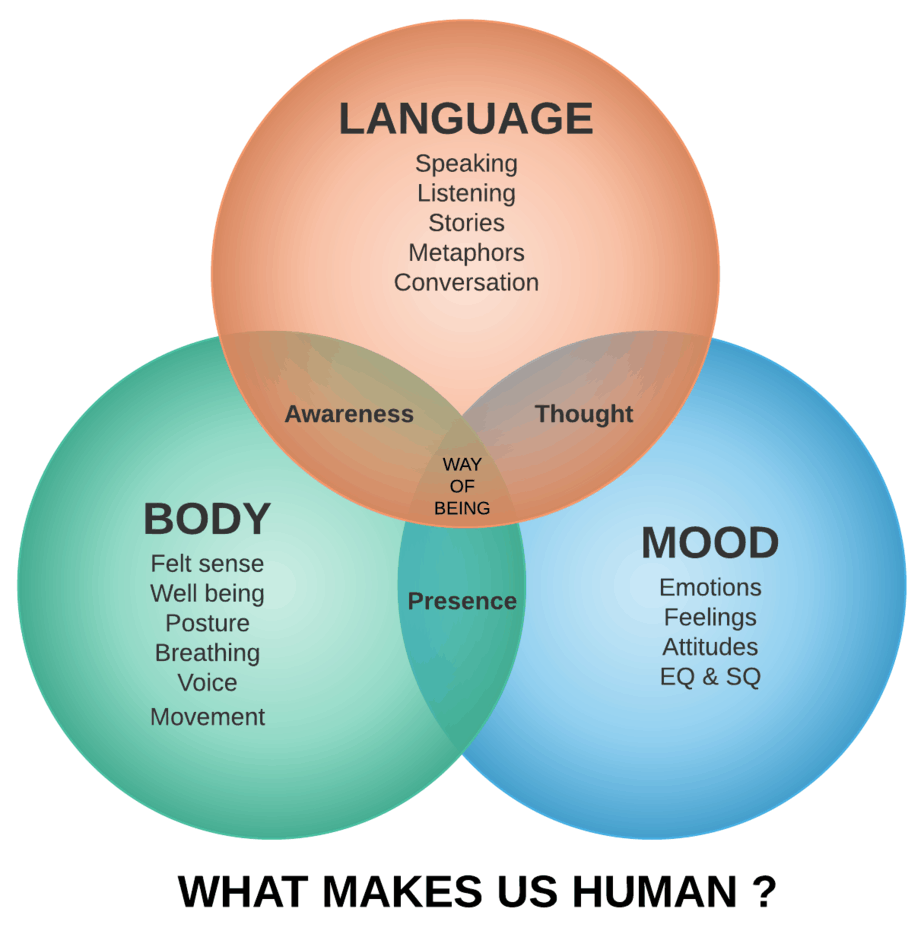
As you observe yourself today, you may be using negative words, coming across as a bit depressed with your head bent forward. This is your reality, your way of being now. It influences how you see yourself and the world around you. But you can change all of these things and live in a different world, one which is bright, energising, accepting and inspiring. Your ‘way of being’ is your choice.
Creating a New Way of Being
Choosing positive words, being grateful for what you have and lifting your head up enables you to see and feel a new reality. It is therefore possible for anyone to create a new ‘way of being’ for themselves. It’s about eliminating negativethoughts, attitudes and behaviours from your life. It’s not easy I know,that’s why you can benefit from some expert support and encouragement. But it is possible, if you are open to new thoughts and are willing to pay attention to your intention.
How to ask The Miracle Question
I now want you to find a quiet place to sit and close your eyes. Then cast your mind forward and imagine you go to bed and sleep as usual, but during the night a miracle happened.
YOU NOW HAVE TWICE THE CONFIDENCE YOU HAD YESTEDAY.
- Notice the type of words you are using – are they positive? What are other people saying to you and how are you responding to them?
- Notice what you are feeling and the mood you are in. How has you attitude to life changed? What concerns do you have now?
- Notice how your posture has changed? Do you feel taller or lighter? How has your voice tone changed?
See things in concrete terms, the small details that you notice, sense, hear and feel are actually happening. What are other people saying about you? What are you thinking? Remember, this is your perfect future. Write down you observations.
Finally, make a note of three changes in your Way of Being that you are now going to adopt to be more self-confident. What you do today becomes your future.
More Tools
– Noticing what’s happening and sensing what could be hidden from you.
THE CDE MODEL
– Identifying the conditions and rules that produce different patterns of interaction
THE OAR MODEL
– Improving your observation skills to choose actions to will deliver what you care about.
THE SCARF MODEL
– Identifying the core concerns that shape your emotional responses
ONTOLOGICAL LEARNING
– Understanding how to change your Way of Being
THE PSYCHIC SYSTEM
– Knowing how to change your Way of Being to fit the prevailing context
ONTOLOGICAL BREAKDOWNS
– Dealing with disruptions in the flow of your life
THE NERVOUS SYSTEM
– How you give meaning to to your experience of internal senses and external events.
QUADRANTS OF CHANGE
– Achieving a more holistic and balanced response to complex situations.
ACTION LOGICS
– Assessing leadership behaviour and effectiveness in different contexts
THE U PROCESS
– Using your senses to improve your effectiveness now to shape your future.
SPIRAL DYNAMICS
– Explaining the growth of human capacity and values
THE HEROES JOURNEY
– Finding a bigger purpose and passion to lead your life from.
ACTIVE LISTENING
– Knowing how to actively listen for understanding and empathy
REFRAMING
– Looking for possibilities to question and reshape perspectives.
THE OODA LOOP
– Achieving a bigger impact when working with other people
ADAPTIVE ACTION
– Examining the dynamic patterns of thought involved in decision making
THE LENS OF INQUIRY
Using the power of questions to get breakthrough results.
THE NINE PANES MODEL
– Discovering new perspecives when dealing with breakdowns in the flow of life.
THE JOHARI WINDOW
– Identifying alternatives to unseen or disruptive behaviour
THE FOUR TRUTHS
– Recognising and considering alternative perspectives in any situation
THE CIRCLE OF CONTROL, INFLUENCE & CONCERN
– Clarifying how you interpret what you see, hear and feel.
THE MIRACLE QUESTION
– In your ideal world, what do you want to be feeligs, thinking and doing?
A “BOTH/AND” PERSPECTIVE
– Dealing with paradox and ambiguity.
THE ADAPTIVE CYCLES
– Resisting breakdown and maintaining your viability for a breakthrough.
CREATING A WELL-FORMED OUTCOME
– Reducing the chance of facing unintended consequences.
WAY OF BEING
– Connecting words, emotions and body presence to be more effective.
CYNEFIN
– A sensemaking framework to help you crack different types of problems.
YOUR INNATE WISDOM
– Knowing what makes you who you are and using it to lead a more fulfilling life.